10 Best Food Dehydrators for Homemade Snacks and Preserving Produce
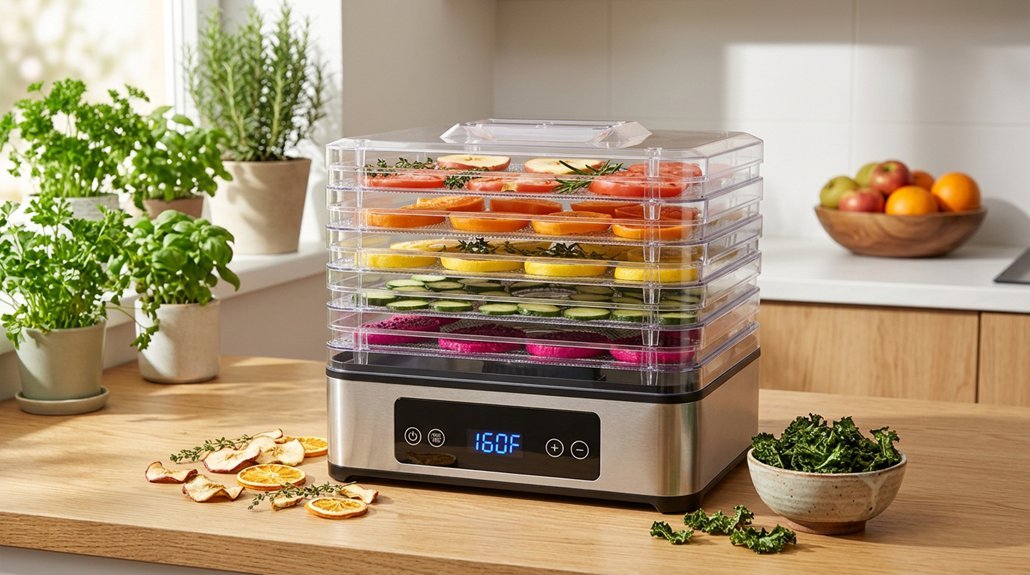
A carefully curated list of the 10 best food dehydrators awaits—discover which model tops the charts and why your kitchen might need one next.

Independent product research and comparisons to help you find the right products faster.
Independent product research and comparisons to help you find the right products faster.
A carefully curated list of the 10 best food dehydrators awaits—discover which model tops the charts and why your kitchen might need one next.
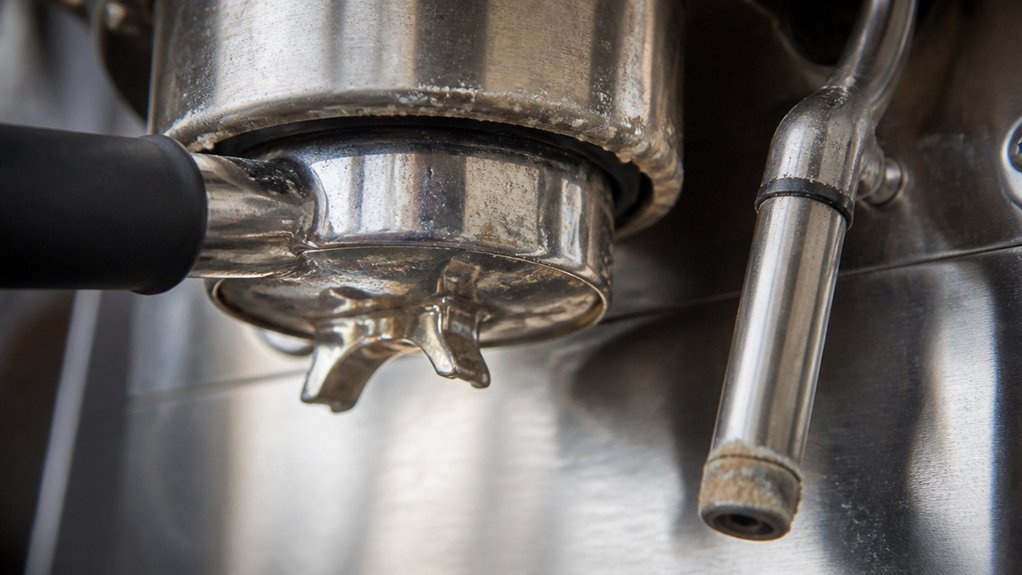
Most espresso machines need descaling every 1 to 3 months, though water hardness plays a bigger role than any fixed schedule. Machines run on hard tap water with daily use typically need monthly descaling, while those using filtered or soft water can often stretch to every 3 or 4 months.
Scale is the chalky mineral buildup left behind as hard water passes through the machine's internals. Over time, it narrows water pathways, slows extraction, and can affect flavor by disrupting consistent water flow through the coffee.
The harder question is spotting the early signs before a shot turns noticeably flat or sluggish.
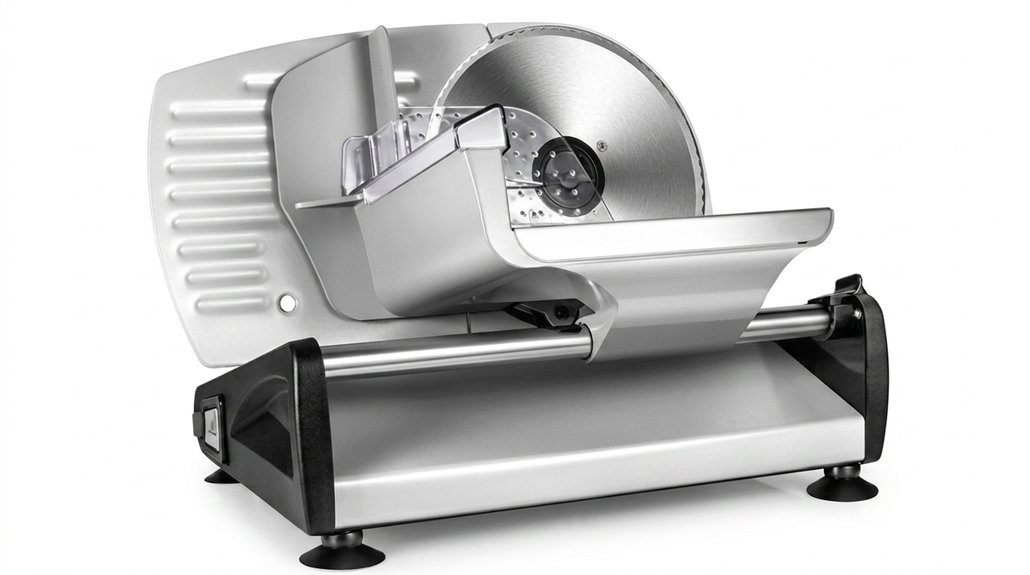
Slice your way to deli-worthy sandwiches at home with these 10 top meat slicers—discover which one will transform your kitchen next.
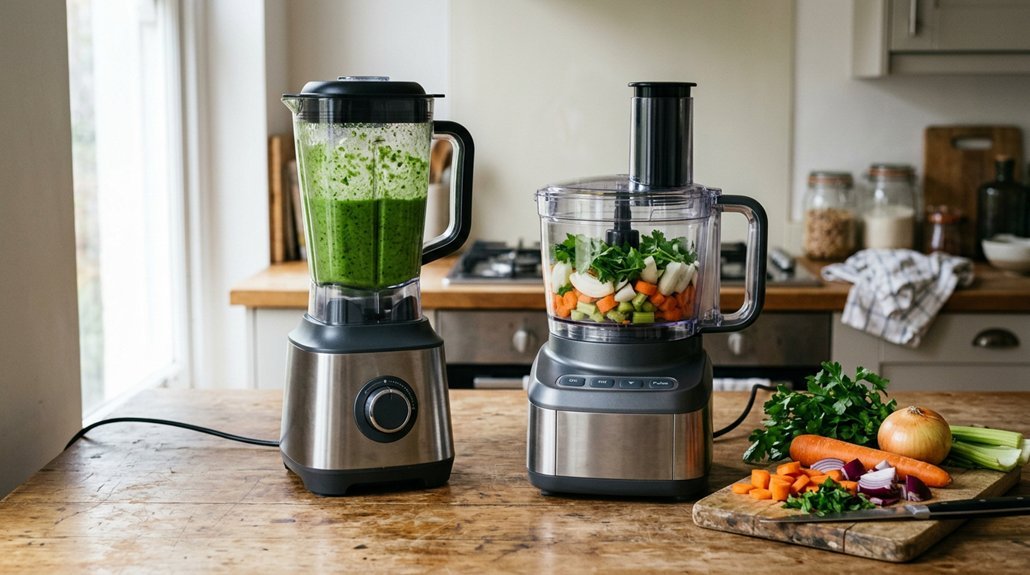
A blender and a food processor may look like they overlap, but the two tools are built for different tasks. A blender's tall jar creates a vortex that pulls ingredients down into the blade, which is better suited to smooth soups, frozen drinks, or silky sauces. A food processor uses a wide, shallow bowl with interchangeable blades and discs, which gives more control for chopping onions, shredding cheese, or making pie dough.
The main difference comes down to consistency versus control. Blenders are designed to fully liquefy ingredients, so they excel when you want a uniform, pourable result. Food processors are designed to cut, slice, or pulse ingredients while keeping some texture, which matters for recipes where you don't want everything reduced to liquid.
Where the two appliances overlap is smaller than many people expect. Some food processors can handle thicker purees or dips, and some blenders come with add-on attachments for light chopping, but neither is built to fully replace the other. If your cooking regularly calls for both silky textures and precise chopping, you may end up needing both appliances rather than choosing one.
For a closer look at how specific models compare on capacity, controls, and cleanup, see our full blender and food processor buying guides.
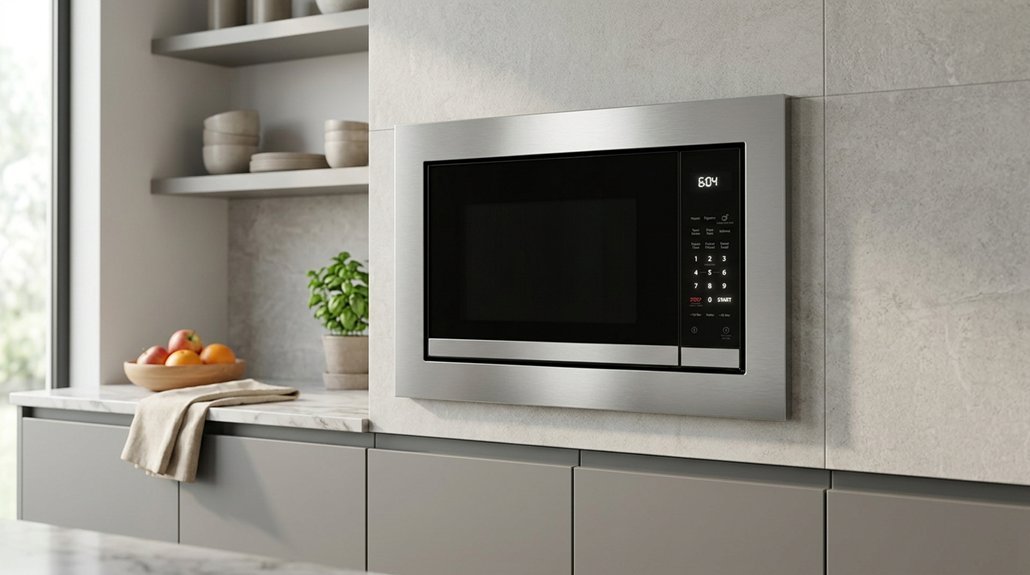
Looking for the ultimate kitchen upgrade? Learn which 10 built-in microwaves made our list and discover which one could transform your space.
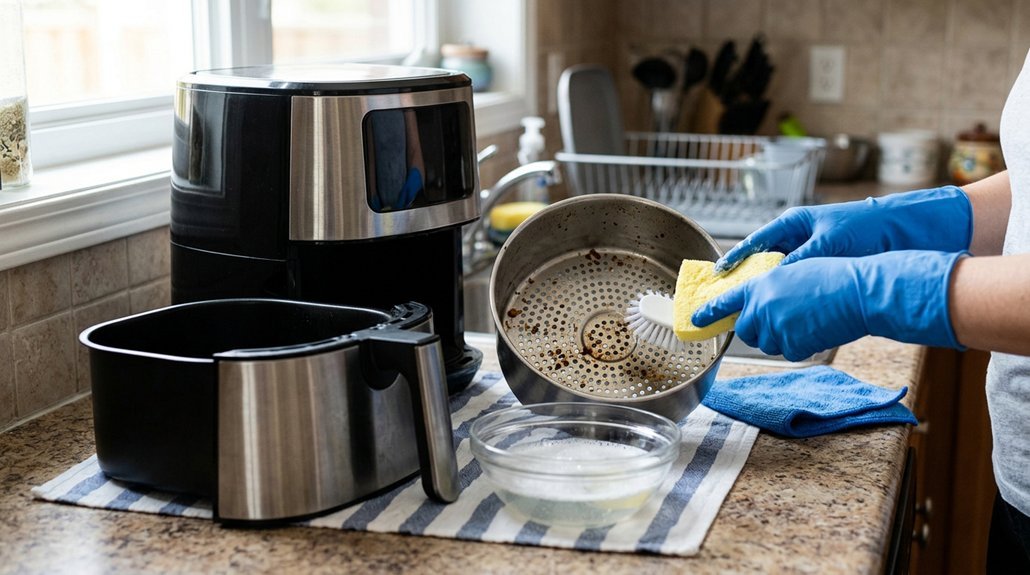
A clean air fryer tends to cook more evenly, produce less lingering odor, and keep leftover grease from affecting the next meal. Regular cleaning does not require harsh chemicals or a lengthy process. Dish soap, a soft sponge, and some attention to the basket, drawer, interior, and heating element are usually enough to manage typical buildup.
Before cleaning, unplug the unit and let it cool completely. Once it has cooled, focus on the areas where grease and food residue tend to collect, since these spots are the most likely to affect performance and odor over time.
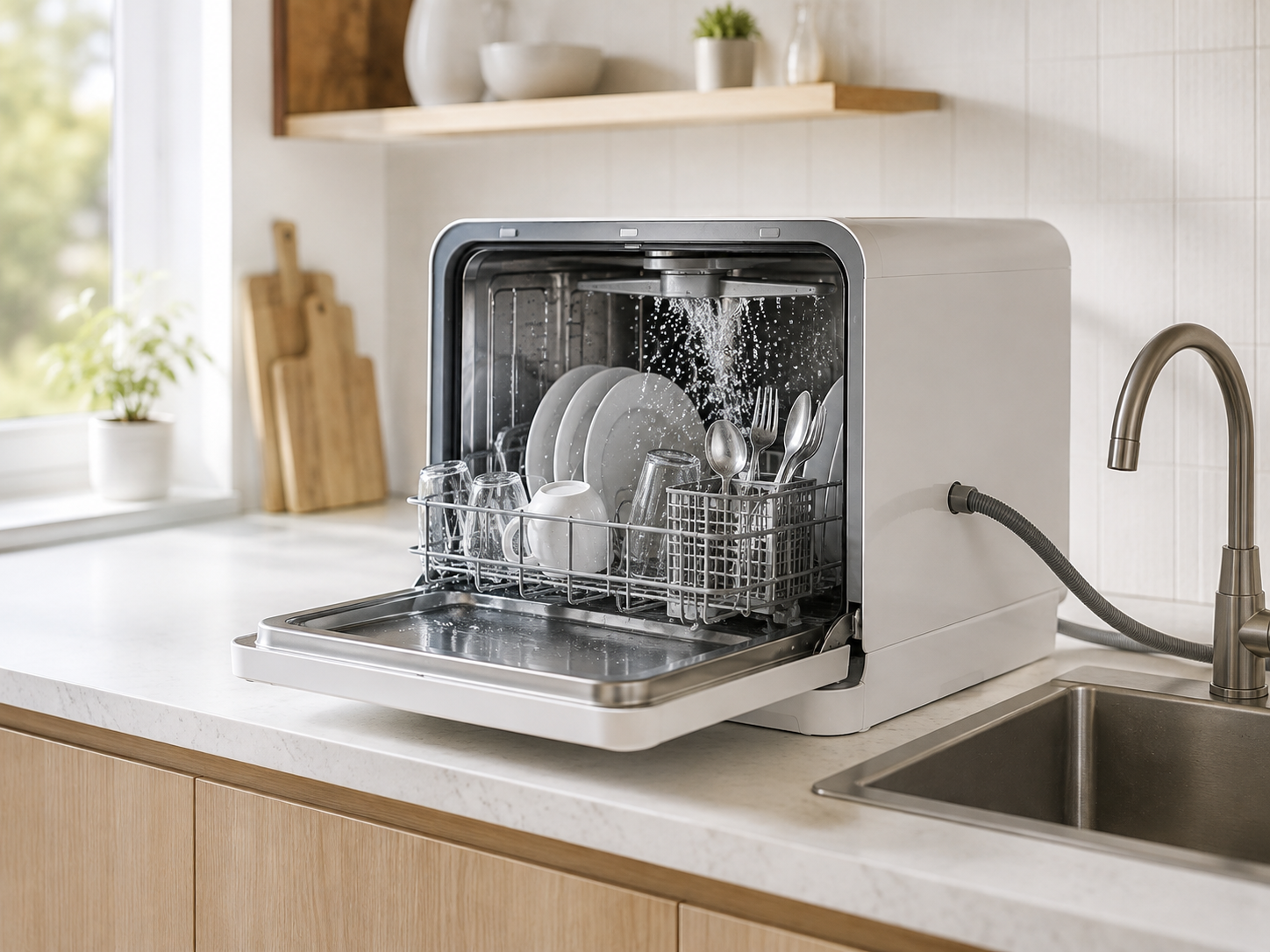
A countertop dishwasher operates on the same basic principle as a full-size model, but in a smaller footprint that uses less water and takes up less counter space. Most versions connect to a kitchen faucet or rely on a built-in water tank, depending on the design. After adding detergent, an internal pump circulates heated water through spray arms to clean the dishes.
Once the wash cycle finishes, the unit drains the used water, runs a rinse cycle, and typically finishes with a drying phase. The specific sequence and drying method can vary between models, so it's worth checking the listed specifications before assuming how a particular unit handles this stage.
The real difference between countertop dishwashers often comes down to setup and daily practicality. Details like faucet adapter compatibility, tank capacity, and how the unit drains can affect how smoothly the first few cycles go, and these are the kinds of specifications worth comparing before choosing a model.
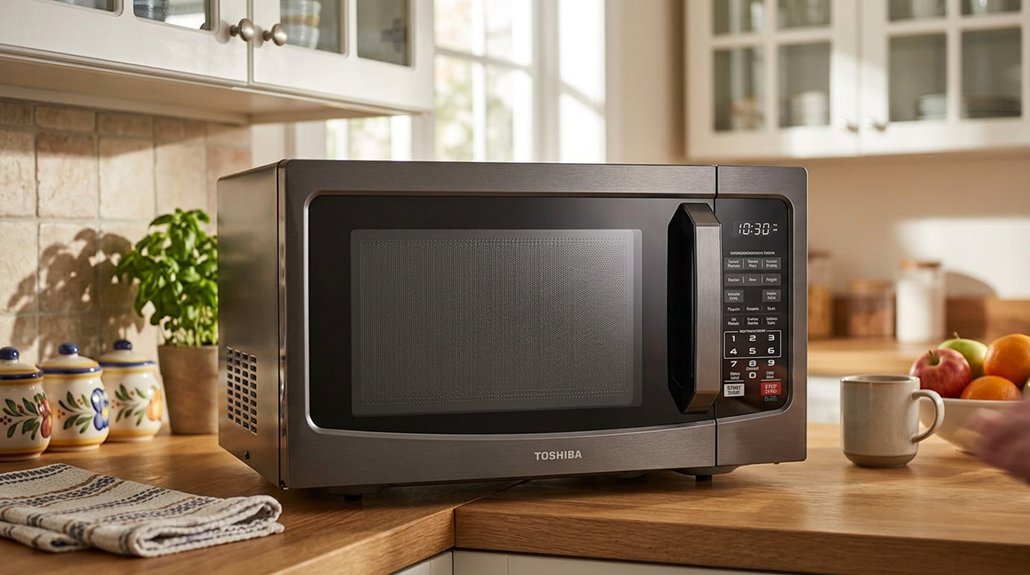
Find out which countertop microwaves top our list for effortless reheating—discover which features could change your kitchen routine forever.
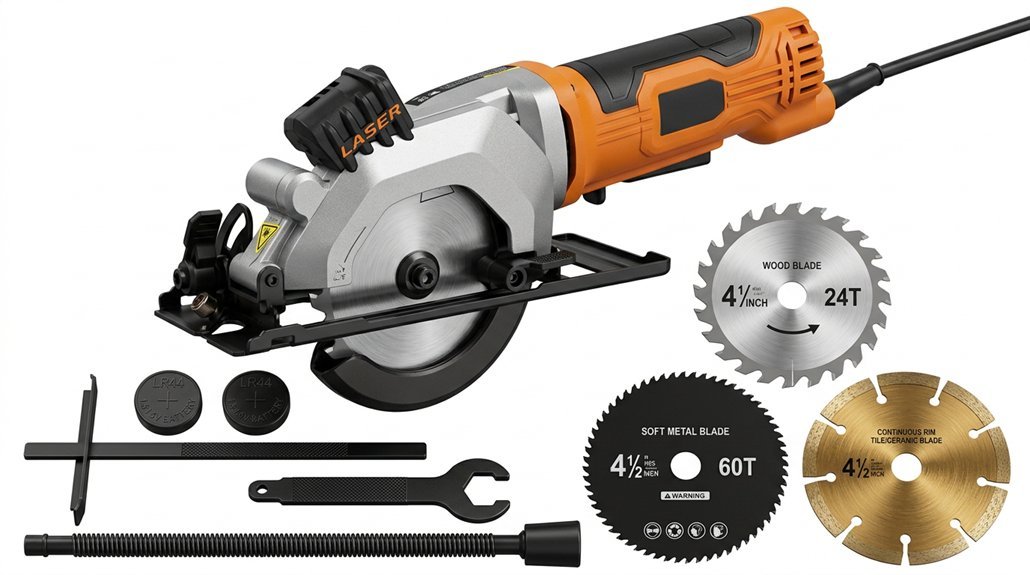
Curious which circular saw could transform your DIY projects? Discover the 10 best models and the essential features you can’t afford to miss.
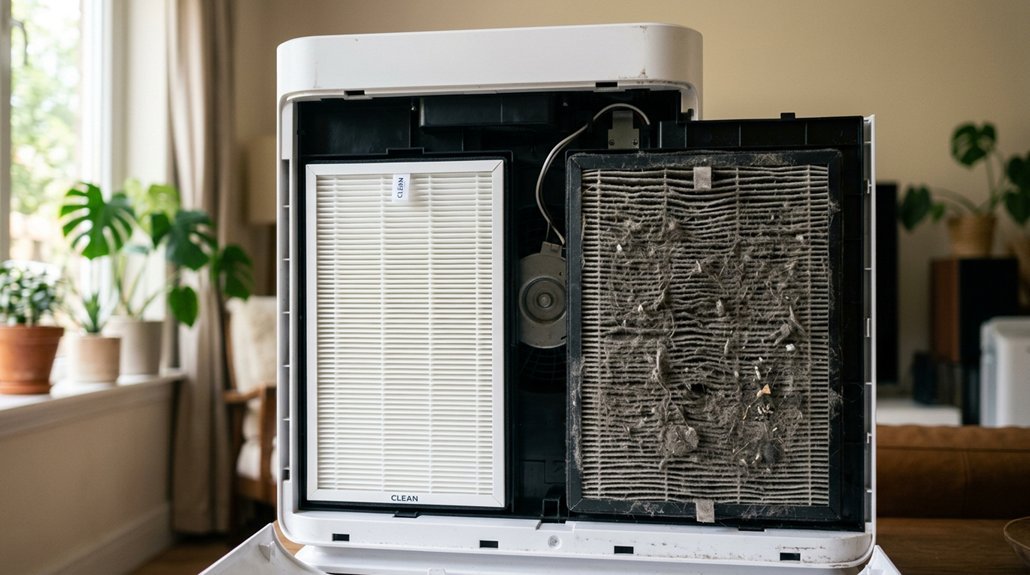
The real answer depends on three key factors most people never consider when replacing their air purifier filter.