
Most espresso machines need periodic descaling, but there is no universal interval. How often you should descale depends mainly on water hardness, usage, and the maintenance schedule specified for your machine.
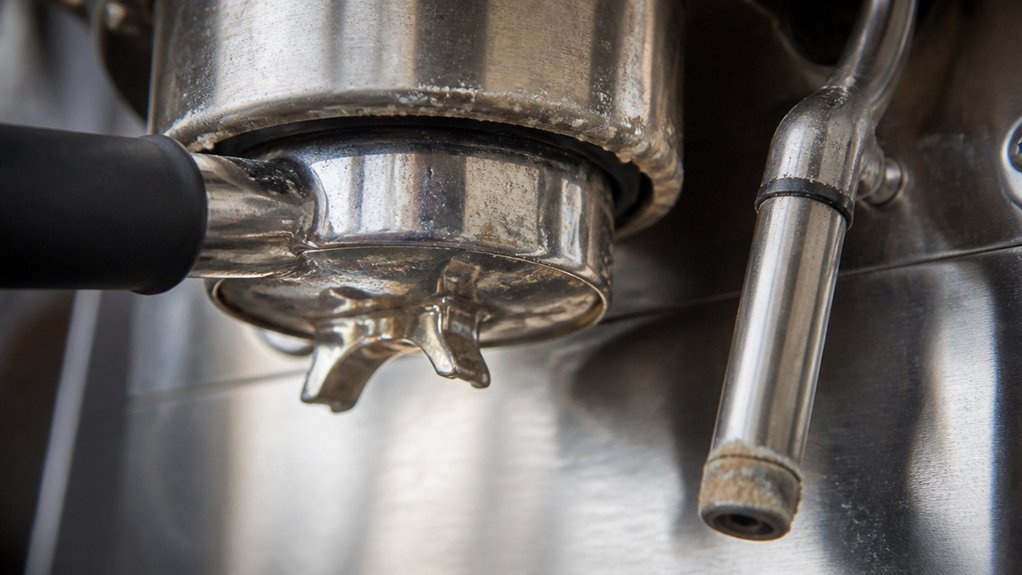
Scale is the chalky mineral residue left behind as water passes through the machine’s internal components. Over time, this buildup narrows water pathways, reduces flow, and can affect the taste of each shot.
So how do you know when scale has become a problem, rather than just something to schedule around? A few signs tend to show up before the flavor does.
Key Takeaways
For most home setups, descaling every 2 to 3 months is a reasonable baseline if you’re using average tap water and making about two espresso drinks a day. This range accounts for typical mineral content without letting buildup get ahead of you.
If you’re in a hard-water area or using the machine heavily throughout the day, descaling every 1 to 2 months helps prevent scale from accumulating faster than usual. Hard water speeds up mineral deposits inside the boiler and lines, so more frequent maintenance makes sense in that situation.
Households using soft or low-TDS filtered water can often stretch descaling out to every 3 to 4 months. Lower mineral content means less buildup over time, though this depends on how consistently filtered water is used.
Regardless of schedule, certain signs suggest it’s time to descale sooner rather than later. Slower flow, bitter or metallic-tasting shots, louder pump noise, or visible white scale are all indicators that mineral deposits may be interfering with performance.
It’s worth checking your specific machine’s manual, since descaling intervals and recommended solutions can vary by model. Rinsing thoroughly after descaling is also important, as leftover descaling solution can affect both taste and internal components if not fully flushed out.
How Often Should You Descale Your Espresso Machine?
Descaling frequency depends mainly on two factors: how hard your water is and how many shots you pull each day. Checking your machine’s built-in reminder, when it has one, is a useful starting point, but the following baseline can help guide your schedule:
- Hard water: descale every 1 to 2 months.
- Average tap water with about two daily drinks: every 2 to 3 months.
- Soft or filtered water: every 3 to 4 months.
Water hardness refers to the mineral content that forms scale inside the machine, so higher mineral levels call for more frequent attention. Rather than waiting for warning signs like sluggish flow, sputtering, cooler coffee, or off flavors, it’s better to stay ahead of the buildup with a regular schedule. Some machines, like the SHARDOR 20 Bar, include one-touch descaling to make staying on schedule easier.
When it’s time to descale, use a descaling solution approved for your specific machine or food-grade citric acid, then run several full tanks of clean water through to rinse thoroughly.
If you’re still deciding on an espresso machine and want to compare maintenance requirements across models, our espresso machine buying guide breaks down what to expect from different brands and price ranges.
Does Water Hardness or Usage Change Your Schedule?
Water hardness and daily brewing volume both affect how quickly scale builds up inside a coffee maker, so a single descaling schedule doesn’t fit every household. In areas with hard water, descaling every one to two months is reasonable for daily use, and monthly descaling is more appropriate when brewing two or more drinks a day. Higher mineral content speeds up buildup, so waiting too long between cleanings can let scale accumulate inside the machine. Just as HEPA filters require replacement every six to twelve months to prevent reduced performance, espresso machines need consistent descaling to avoid a similar decline in efficiency and taste quality.
Households with soft water or a reliable filtration system can often extend service to every three or four months. Frequent use still shortens that interval, regardless of water quality. Using low-TDS filtered water and flushing the machine after brewing can help protect internal components, support consistent extraction, and keep the overall descaling routine simple.
What Are the Warning Signs of Mineral Buildup?
An espresso machine typically shows signs of mineral buildup before it stops working altogether. Here’s what to watch for:
Off-tasting coffee. A persistent metallic, bitter, or flat taste can develop even with fresh beans and clean equipment, often pointing to scale affecting water quality or heating performance.
Slower brewing. Flow rate may weaken, or the group head and steam wand may sputter as mineral deposits narrow the internal water paths.
Cooler drinks. Scale buildup can insulate the heating element, reducing its efficiency and resulting in lower brewing temperatures over time.
Visible deposits. White mineral film or crust may appear in the water reservoir, on screens, or around gaskets, which is often one of the clearest signs of scale accumulation.
Other indicators include louder pump noise or inconsistent shot times from one brew to the next. These symptoms generally point to restricted water flow, which forces the machine’s components to work harder than they’re designed to.
Just as some kitchen appliances now feature nonstick ceramic coatings designed to resist residue buildup and simplify cleanup, espresso machines with similar protective interiors may require less frequent descaling to maintain optimal performance.
Regular descaling, based on the frequency recommended for a given machine and local water hardness, can help prevent these issues from developing.
For guidance on choosing a descaling solution or comparing machines with built-in water filtration, Better Buy Picks’ espresso machine buying guides can help narrow down options suited to different maintenance preferences.
What’s the Best Way to Descale Your Machine?
The safest approach is to follow the descaling cycle listed in your machine’s manual. That cycle is designed to protect the boiler, seals, sensors, and electronics from a cleaning routine that’s too aggressive for the specific model. Before starting, unplug the machine, let it cool completely, and remove any removable parts such as the water tank or drip tray.
| Step | What you do |
|---|---|
| Mix | Use citric acid, about 1 tablespoon per quart of water |
| Run | Follow the manufacturer’s manual cycle |
| Soak | Wait 10 to 20 minutes if scale buildup is heavy |
| Flush | Empty the tank and refill with clean water |
| Rinse | Complete 2 to 4 full rinse cycles |
Once the descaling solution has done its work, run it through the brew path and steam wand so no residue is left behind in either system. Continue rinsing with clean water until no sour smell remains, since leftover citric acid can affect the taste of future brews.
If scale deposits are stubborn, a single descaling round may not be enough. In that case, repeat the process and brush the shower screen to clear away any mineral buildup that a rinse alone won’t remove.
Descaling needs and frequency vary by machine type, so it’s worth checking a buying guide for your specific model type before assuming one method applies universally. Espresso machines are just one category among many coffee and beverage appliances, including grinders, kettles, and milk frothers, that each have their own maintenance requirements.
How Do You Keep Scale From Coming Back?
Preventing scale buildup mostly comes down to controlling what goes into the machine and clearing out residue before it has a chance to settle in.
1. Use filtered or soft water. Water with a TDS (total dissolved solids) level below 150 ppm is generally considered less likely to contribute to scale buildup. A quality water filter or naturally soft water can help keep mineral content in this range.
2. Refill the reservoir daily. Emptying, drying, and refilling the reservoir with fresh filtered water each day helps prevent mineral concentration from building up over time.
3. Flush the group head and steam wand after brewing. Rinsing these components after each use helps prevent minerals and milk residue from hardening in places that are harder to clean later.
4. Consider an inline softening cartridge for hard water areas. These cartridges are typically replaced every 3 to 6 months, though the exact interval depends on local water hardness and the cartridge manufacturer’s guidance.
Regular descaling remains an important part of long-term maintenance.
Machines used with hard water generally benefit from descaling every 1 to 3 months, while those using soft water may only need it every 3 to 6 months.
Much like some kitchen appliances now include a self-clean mode to simplify upkeep, many newer espresso machines offer automated descaling cycles that make routine maintenance easier.
Keeping to a consistent schedule helps protect internal components and supports more consistent espresso extraction over time.