Electric Roaster vs Oven: What’s the Difference?
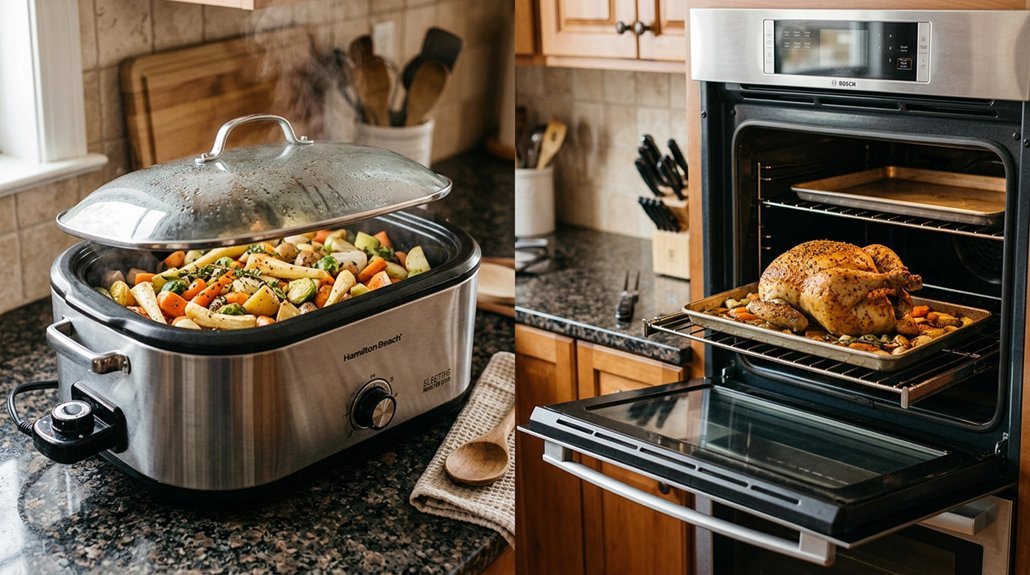
Master the key differences between an electric roaster and oven before your next big meal depends on choosing wrong.

Independent product research and comparisons to help you find the right products faster.
Independent product research and comparisons to help you find the right products faster.
Master the key differences between an electric roaster and oven before your next big meal depends on choosing wrong.
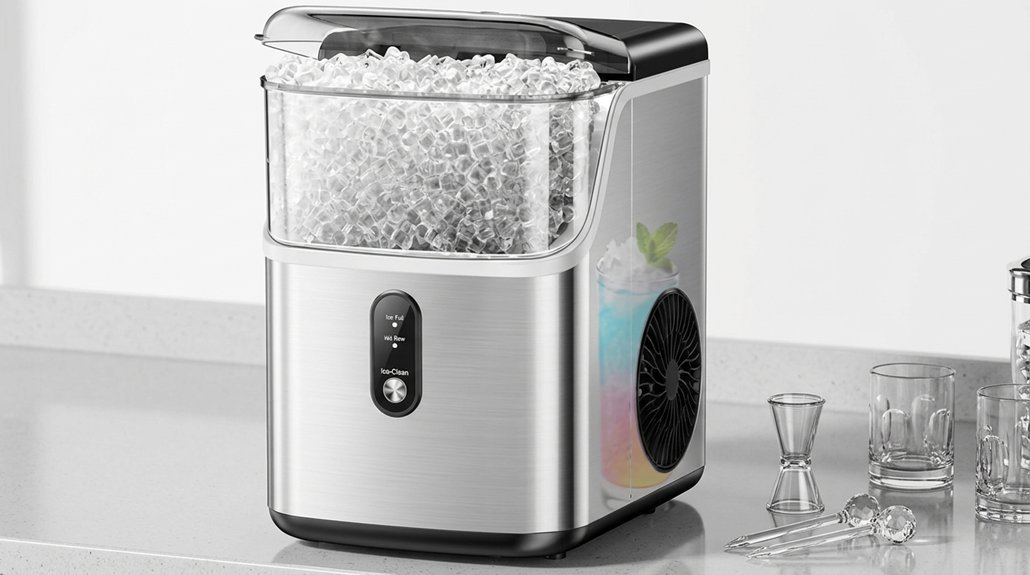
Discover the 10 best pellet ice makers that promise perfect nugget ice—find out which models truly deliver before you make your next cool purchase.
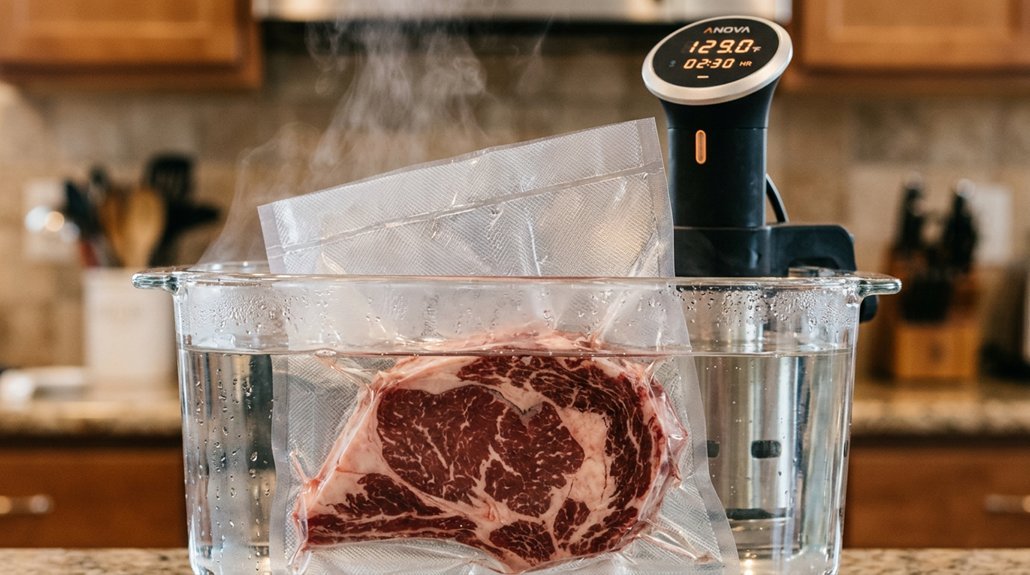
Learn the science behind sous vide cooking and discover why this precise water bath method produces results your stovetop never could.
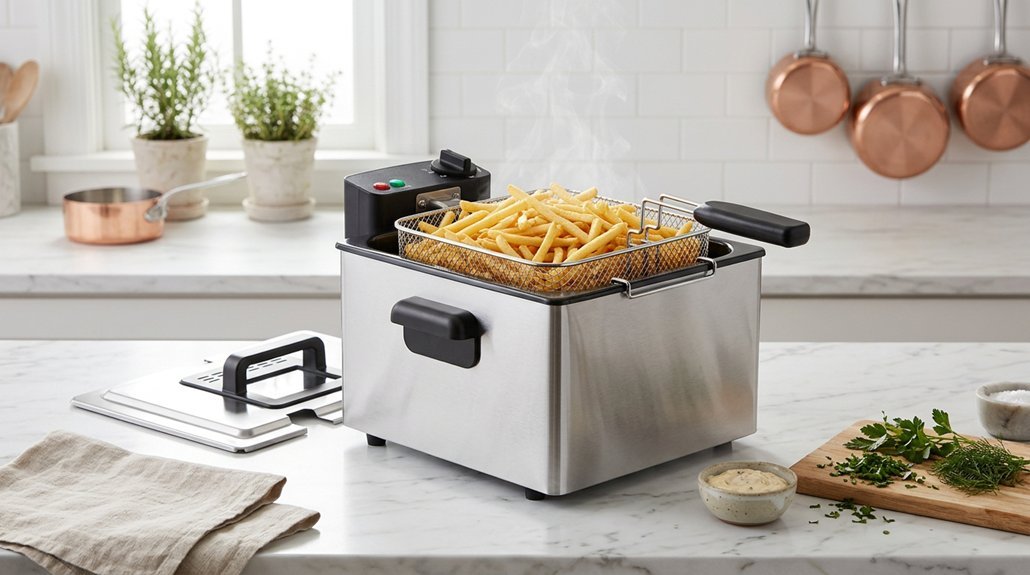
Not sure which deep fryer delivers the crispiest, golden results every time? Discover the top 10 models that might just change your kitchen game.
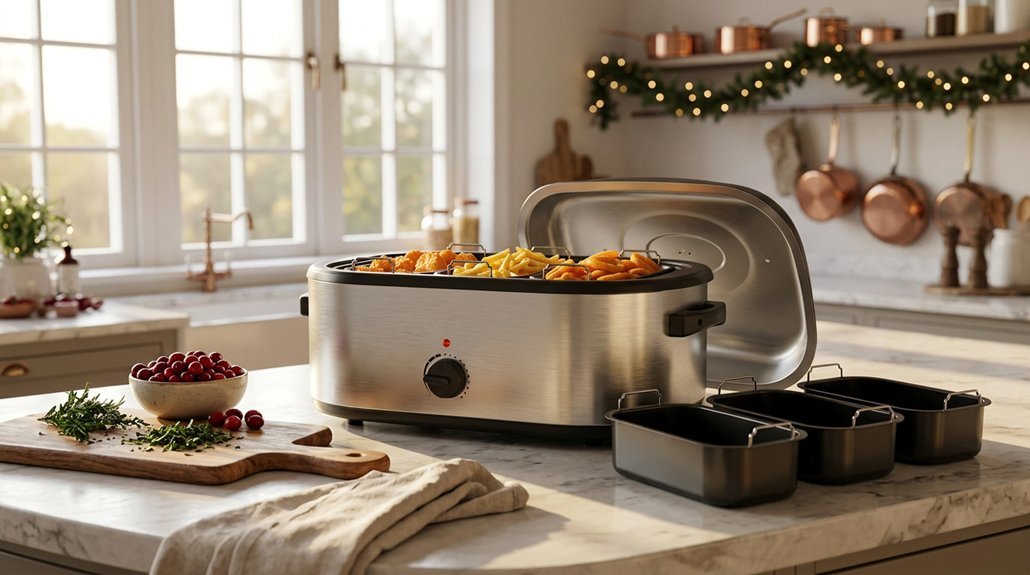
Be ready to revolutionize your holiday meals with the 10 best electric roasters—discover which models make effortless feasts possible this season.
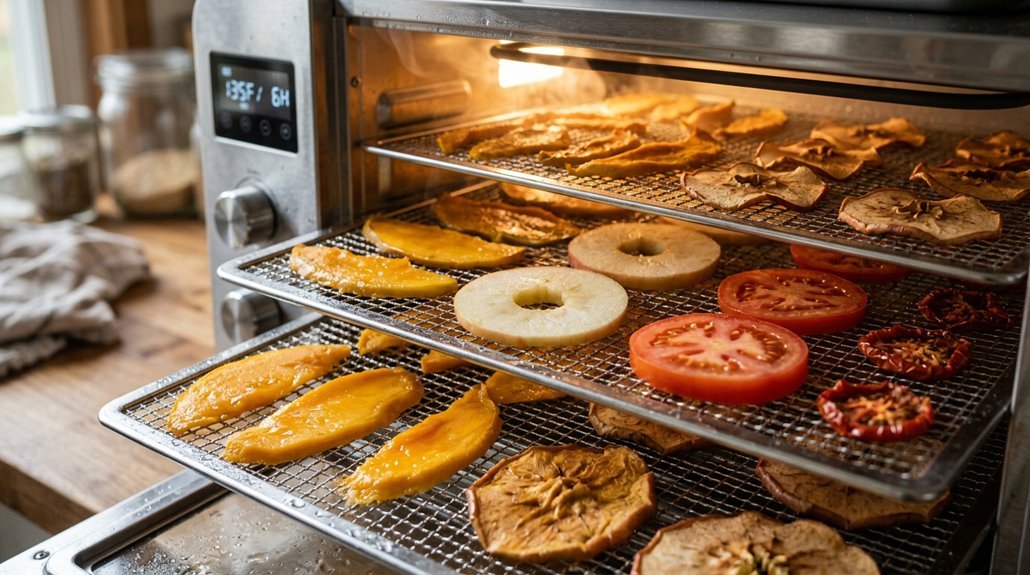
Get the exact dehydrating times for every food type and discover the key variables that could be slowing yours down.
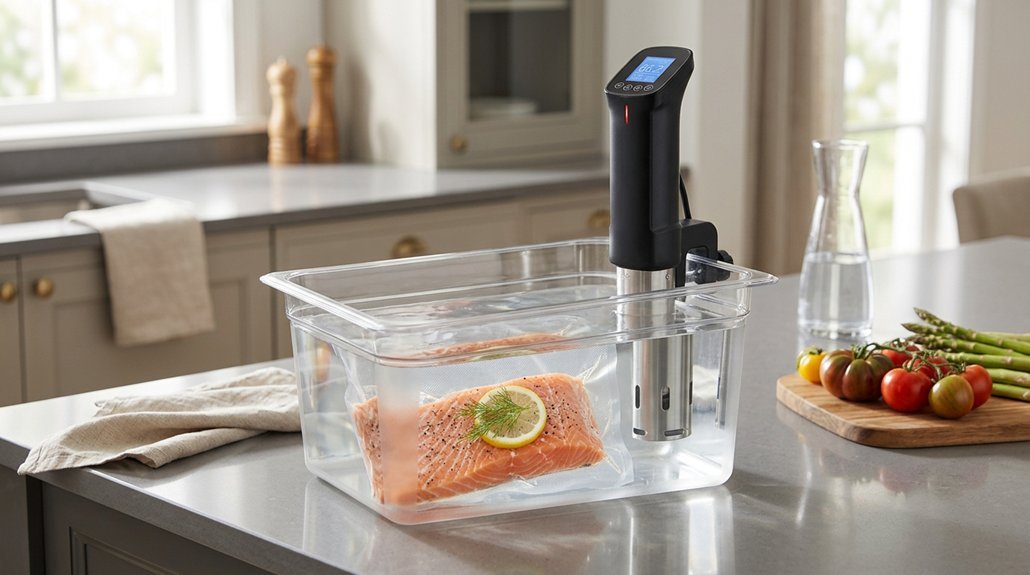
Keen to elevate your home cooking? Discover the 10 best sous vide cookers that chefs love—number seven might just surprise you.
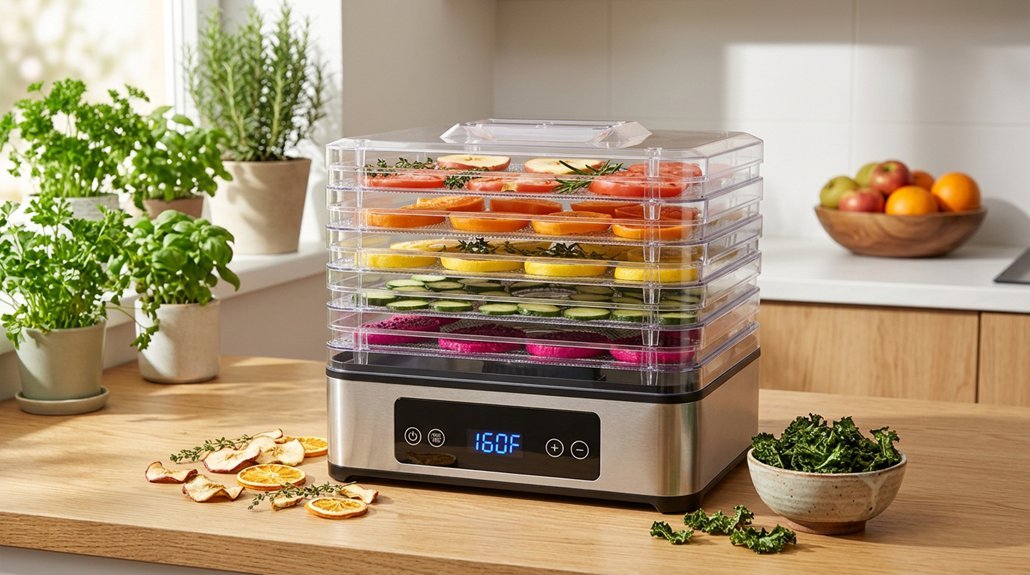
A carefully curated list of the 10 best food dehydrators awaits—discover which model tops the charts and why your kitchen might need one next.
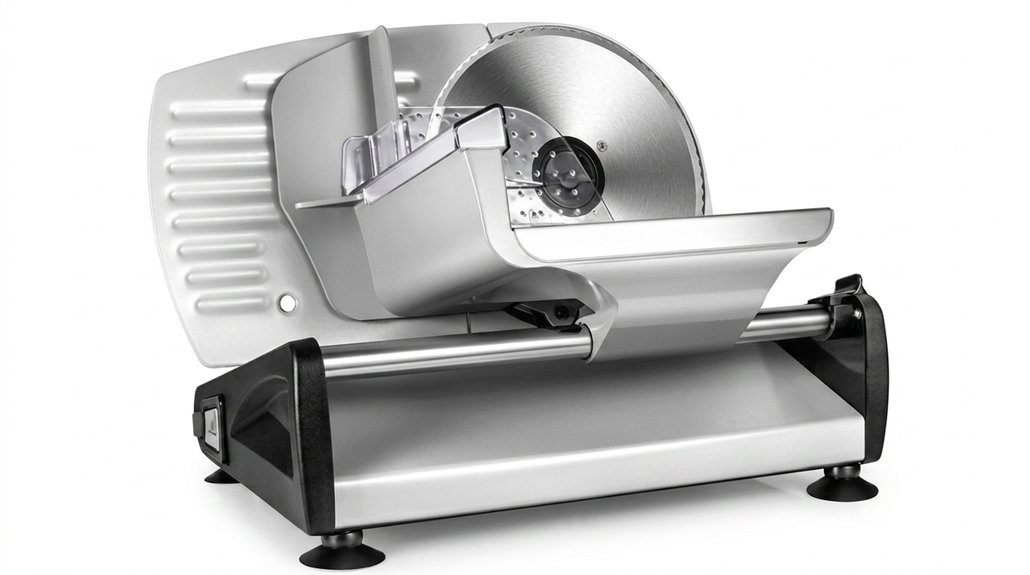
Slice your way to deli-worthy sandwiches at home with these 10 top meat slicers—discover which one will transform your kitchen next.
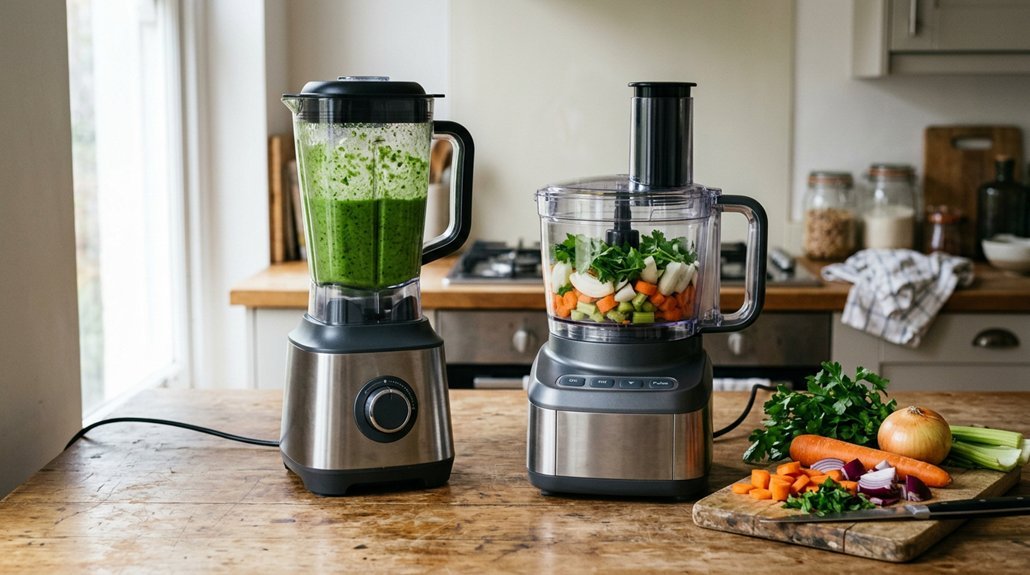
A blender and a food processor may look like they overlap, but the two tools are built for different tasks. A blender's tall jar creates a vortex that pulls ingredients down into the blade, which is better suited to smooth soups, frozen drinks, or silky sauces. A food processor uses a wide, shallow bowl with interchangeable blades and discs, which gives more control for chopping onions, shredding cheese, or making pie dough.
The main difference comes down to consistency versus control. Blenders are designed to fully liquefy ingredients, so they excel when you want a uniform, pourable result. Food processors are designed to cut, slice, or pulse ingredients while keeping some texture, which matters for recipes where you don't want everything reduced to liquid.
Where the two appliances overlap is smaller than many people expect. Some food processors can handle thicker purees or dips, and some blenders come with add-on attachments for light chopping, but neither is built to fully replace the other. If your cooking regularly calls for both silky textures and precise chopping, you may end up needing both appliances rather than choosing one.
For a closer look at how specific models compare on capacity, controls, and cleanup, see our full blender and food processor buying guides.