
Finding the right WiFi router can feel like solving a puzzle, especially with new standards like Wi-Fi 7 and Wi-Fi 6 promising faster, more reliable connections for modern homes packed with gadgets.
Whether you need blazing speed for streaming, strong coverage for multi-level spaces, or just something compact for travel, options abound.
From robust mesh kits to budget-friendly basics, each router excels in its own niche. Curious which models stand out and why? Let’s break it down.
Key Takeaways
- WiFi 7 routers like the TP-Link BE6500 and NETGEAR RS90 offer multi-gig speeds, strong coverage, and support for dozens of devices simultaneously.
- Mesh systems such as the Deco S4 provide seamless, whole-home coverage and are ideal for larger homes or eliminating dead zones.
- Premium tri-band routers (e.g., BE9700, BE770) deliver ultra-fast speeds and can handle 100+ connected devices for busy or high-bandwidth households.
- Routers with multiple multi-gig and gigabit ports (like BE230) ensure fast wired connections for gaming, streaming, or home offices.
- Budget-friendly models (e.g., Archer A54, Archer AX10) are reliable for apartments or small homes, offering good speeds, coverage, and value.
| TP-Link BE6500 Dual-Band WiFi 7 Router (BE400) |  | Best Overall | Wi-Fi Standard: Wi-Fi 7 | Bands Supported: Dual-band (2.4 GHz + 5 GHz) | Maximum Wireless Speed (Combined): 6.5 Gbps | CHECK PRICE ON AMAZON | Read Why We Picked It |
| TP-Link AC1200 WiFi Router Dual Band Wireless Internet Router (Archer A54) |  | Budget-Friendly Pick | Wi-Fi Standard: Wi-Fi 5 (AC1200) | Bands Supported: Dual-band (2.4 GHz + 5 GHz) | Maximum Wireless Speed (Combined): 1.2 Gbps | CHECK PRICE ON AMAZON | Read Why We Picked It |
| NETGEAR Nighthawk WiFi 7 Router (RS90) | Premium Performance | Wi-Fi Standard: Wi-Fi 7 | Bands Supported: Dual-band (2.4 GHz + 5 GHz) | Maximum Wireless Speed (Combined): 3.6 Gbps | CHECK PRICE ON AMAZON | Read Why We Picked It | |
| NETGEAR WiFi 6 Router AX1800 (R6700AX) |  | Best for Small Homes | Wi-Fi Standard: Wi-Fi 6 (AX1800) | Bands Supported: Dual-band (2.4 GHz + 5 GHz) | Maximum Wireless Speed (Combined): 1.8 Gbps | CHECK PRICE ON AMAZON | Read Why We Picked It |
| TP-Link Dual-Band BE3600 Wi-Fi 7 Router Archer BE230 |  | Best Mid-Range | Wi-Fi Standard: Wi-Fi 7 | Bands Supported: Dual-band (2.4 GHz + 5 GHz) | Maximum Wireless Speed (Combined): 3.6 Gbps | CHECK PRICE ON AMAZON | Read Why We Picked It |
| TP-Link Smart WiFi 6 Dual Band Router 4 Gigabit LAN Ports |  | Best for Streaming | Wi-Fi Standard: Wi-Fi 6 (AX1500) | Bands Supported: Dual-band (2.4 GHz + 5 GHz) | Maximum Wireless Speed (Combined): 1.5 Gbps | CHECK PRICE ON AMAZON | Read Why We Picked It |
| TP-Link Deco S4 Mesh WiFi System (3-Pack) | 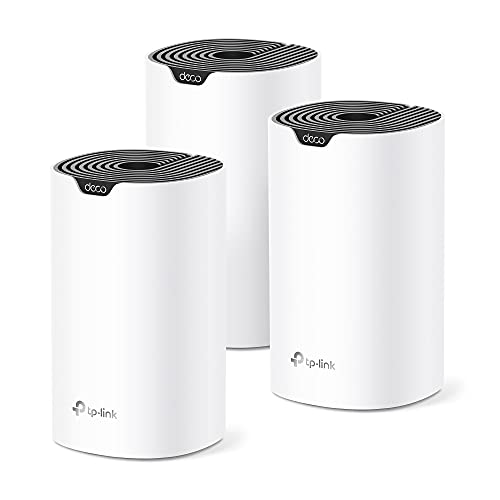 | Whole-Home Coverage | Wi-Fi Standard: Wi-Fi 5 (AC1900, Mesh) | Bands Supported: Dual-band (2.4 GHz + 5 GHz, Mesh) | Maximum Wireless Speed (Combined): 1.9 Gbps | CHECK PRICE ON AMAZON | Read Why We Picked It |
| Roam 6 AX1500 Portable Wi-Fi 6 Travel Router Dual-Band USB C 3.0 |  | Best for Travel | Wi-Fi Standard: Wi-Fi 6 (AX1500) | Bands Supported: Dual-band (2.4 GHz + 5 GHz) | Maximum Wireless Speed (Combined): 1.5 Gbps | CHECK PRICE ON AMAZON | Read Why We Picked It |
| TP-Link Tri-Band BE9700 WiFi 7 Router (Archer BE600) |  | Best for Power Users | Wi-Fi Standard: Wi-Fi 7 | Bands Supported: Tri-band (2.4 GHz + 5 GHz + 6 GHz) | Maximum Wireless Speed (Combined): 9.7 Gbps | CHECK PRICE ON AMAZON | Read Why We Picked It |
| TP-Link Tri-Band BE18000 WiFi 7 Router Archer BE770 |  | Ultimate Speed | Wi-Fi Standard: Wi-Fi 7 | Bands Supported: Tri-band (2.4 GHz + 5 GHz + 6 GHz) | Maximum Wireless Speed (Combined): 18 Gbps | CHECK PRICE ON AMAZON | Read Why We Picked It |
More Details on Our Top Picks
TP-Link BE6500 Dual-Band WiFi 7 Router (BE400)
For anyone searching for a feature-packed, future-ready WiFi upgrade, the TP-Link BE6500 Dual-Band WiFi 7 Router (Archer BE400) stands out as a top overall choice for modern homes that demand both speed and reliability.
This router supports the latest WiFi 7 technologies, including Multi-Link Operation, Multi-RUs, and 4K-QAM, pushing a total bandwidth of up to 6.5 Gbps across six streams. It covers up to 2,400 square feet and connects up to 90 devices at once.
Key features include:
- Six high-performance antennas with beamforming
- Two 2.5 Gbps wired ports
- EasyMesh compatibility
- Robust security with HomeShield and VPN support
- Wi-Fi Standard:Wi-Fi 7
- Bands Supported:Dual-band (2.4 GHz + 5 GHz)
- Maximum Wireless Speed (Combined):6.5 Gbps
- Ethernet Ports (LAN):4 LAN ports (2 × 2.5 Gbps, 2 × 1 Gbps, 1 × 1 Gbps WAN/LAN)
- Mesh Compatibility:EasyMesh compatible
- Security Features:TP-Link HomeShield, Secure-by-Design, VPN support
- Additional Feature:Supports up to 90 devices
- Additional Feature:VPN client/server support
- Additional Feature:6 high-performance antennas
TP-Link AC1200 WiFi Router Dual Band Wireless Internet Router (Archer A54)
Squeezing solid dual-band performance into a budget-friendly pick, the TP-Link AC1200 WiFi Router Dual Band (Archer A54) stands out for anyone seeking reliable everyday connectivity without overcomplicating things. It offers up to 1200 Mbps total bandwidth: 867 Mbps on 5 GHz for speedy streaming and 300 Mbps on 2.4 GHz for everyday browsing.
Four external antennas help cover up to 1,000 square feet, ensuring stable connections, even in larger rooms. Key highlights include:
- Access Point Mode for extending wired connections
- EasyMesh compatibility for seamless mesh coverage
- WPA3 security for peace of mind
- Management via the TP-Link Tether app
- Wi-Fi Standard:Wi-Fi 5 (AC1200)
- Bands Supported:Dual-band (2.4 GHz + 5 GHz)
- Maximum Wireless Speed (Combined):1.2 Gbps
- Ethernet Ports (LAN):4 LAN ports (1 Gbps each)
- Mesh Compatibility:EasyMesh compatible
- Security Features:WPA3, Tether app management
- Additional Feature:IPTV streaming optimization
- Additional Feature:Access Point Mode
- Additional Feature:Compact white design
NETGEAR Nighthawk WiFi 7 Router (RS90)
Those seeking premium performance to handle busy homes packed with devices will want to look at the NETGEAR Nighthawk WiFi 7 Router (RS90). This dual-band router delivers combined speeds up to 3.6 Gbps, making it a strong pick for 4K streaming, gaming, or managing a smart home.
With coverage reaching about 2,000 square feet and support for up to 50 devices, it’s designed for busy households. Key features include:
- Quad-core 2.0 GHz processor
- 2.5 Gig WAN port plus four 1 Gigabit LAN ports
- WPA3 security and auto firmware updates
- Easy setup with the Nighthawk app
Just remember, you’ll need a separate modem.
- Wi-Fi Standard:Wi-Fi 7
- Bands Supported:Dual-band (2.4 GHz + 5 GHz)
- Maximum Wireless Speed (Combined):3.6 Gbps
- Ethernet Ports (LAN):4 LAN ports (1 Gbps each)
- Mesh Compatibility:Not specifically mesh (suggested mesh for larger homes)
- Security Features:WPA3, NETGEAR Armor (30-day trial), SPI firewall
- Additional Feature:Quad-core 2.0GHz processor
- Additional Feature:Smart Connect band selection
- Additional Feature:NETGEAR Armor included trial
NETGEAR WiFi 6 Router AX1800 (R6700AX)
Speed and simplicity take center stage with the NETGEAR WiFi 6 Router AX1800 (R6700AX), making it a go-to pick for anyone setting up reliable internet in an apartment or a small home. Delivering WiFi 6 performance up to 1.8 Gbps and supporting 20 devices, it keeps streaming, gaming, and smart gadgets running smoothly across up to 1,500 square feet.
Setup is quick with the Nighthawk app. Security gets a boost thanks to WPA3, automatic firmware updates, and optional NETGEAR Armor. For wired needs, four Gigabit Ethernet ports stand ready. In short, it’s reliable, straightforward, and designed for everyday demands.
- Wi-Fi Standard:Wi-Fi 6 (AX1800)
- Bands Supported:Dual-band (2.4 GHz + 5 GHz)
- Maximum Wireless Speed (Combined):1.8 Gbps
- Ethernet Ports (LAN):4 LAN ports (1 Gbps each)
- Mesh Compatibility:Not mesh, mesh recommended for larger homes
- Security Features:WPA3, NETGEAR Armor (30-day trial), guest network
- Additional Feature:Remote device management
- Additional Feature:Automatic firmware updates
- Additional Feature:Guest network support
TP-Link Dual-Band BE3600 Wi-Fi 7 Router Archer BE230
Looking for a future-proof upgrade that delivers plenty of power without overspending? The TP-Link Dual-Band BE3600 Wi-Fi 7 Router, Archer BE230, is a compact black router designed to handle heavy daily demands.
With Wi-Fi 7 technology, it supports up to 2,000 square feet and 60 devices, using four internal antennas and beamforming to reach every corner. And connectivity options are generous:
- One 2.5 Gbps WAN/LAN port
- One 2.5 Gbps LAN port
- Three 1 Gbps LAN ports
Setup is quick using the Tether App, and HomeShield keeps your network safe. Alexa and Google Assistant compatibility add hands-free convenience!
- Wi-Fi Standard:Wi-Fi 7
- Bands Supported:Dual-band (2.4 GHz + 5 GHz)
- Maximum Wireless Speed (Combined):3.6 Gbps
- Ethernet Ports (LAN):4 LAN ports (2 × 2.5 Gbps, 3 × 1 Gbps)
- Mesh Compatibility:EasyMesh compatible
- Security Features:TP-Link HomeShield, parental controls, Alexa/Google Assistant, VPN
- Additional Feature:Alexa/Google Assistant compatible
- Additional Feature:Next-gen 2.0GHz quad-core
- Additional Feature:Beamforming for hard-to-reach
TP-Link Smart WiFi 6 Dual Band Router 4 Gigabit LAN Ports
For households where streaming is a daily ritual, the TP-Link Archer AX10 stands out thanks to its WiFi 6 technology and robust dual-band speeds. With up to 1201 Mbps on the 5 GHz band and a steady 300 Mbps on 2.4 GHz, it’s built for busy homes juggling video calls, smart devices, and gaming marathons.
Four Gigabit LAN ports make wired connections a breeze, while beamforming keeps the signal strong even in tricky corners. Plus, it’s OneMesh compatible, so extending coverage later is simple. And with MU-MIMO, everyone gets reliable bandwidth—no fighting over Wi-Fi anymore!
- Wi-Fi Standard:Wi-Fi 6 (AX1500)
- Bands Supported:Dual-band (2.4 GHz + 5 GHz)
- Maximum Wireless Speed (Combined):1.5 Gbps
- Ethernet Ports (LAN):4 LAN ports (1 Gbps each)
- Mesh Compatibility:OneMesh compatible
- Security Features:WPA3, OFDMA/MU-MIMO security features
- Additional Feature:OFDMA and 1024-QAM
- Additional Feature:OneMesh compatibility
- Additional Feature:MU-MIMO device support
TP-Link Deco S4 Mesh WiFi System (3-Pack)
Families and busy households seeking reliable whole-home coverage will appreciate the TP-Link Deco S4 Mesh WiFi System (3-Pack). This system blankets up to 5,500 square feet in strong AC1900 WiFi, making dead zones a thing of the past.
It seamlessly supports up to 100 devices under a single network name and password, which is a serious win for crowded homes with lots of gadgets.
Key highlights include:
- Three units, each with two gigabit Ethernet ports for wired connections
- Easy Deco app setup, plus Alexa compatibility
- Robust parental controls: limit screen time, block sites, and create profiles
- Works with most Internet providers
- Wi-Fi Standard:Wi-Fi 5 (AC1900, Mesh)
- Bands Supported:Dual-band (2.4 GHz + 5 GHz, Mesh)
- Maximum Wireless Speed (Combined):1.9 Gbps
- Ethernet Ports (LAN):2 per unit (6 total in 3-pack, 1 Gbps each)
- Mesh Compatibility:Deco Mesh system (native mesh)
- Security Features:Parental controls, guest WiFi, app management
- Additional Feature:5,500 sq. ft. coverage
- Additional Feature:Seamless roaming technology
- Additional Feature:Unique family profiles
Roam 6 AX1500 Portable Wi-Fi 6 Travel Router Dual-Band USB C 3.0
Packing impressive Wi-Fi 6 performance into a sleek, pocket-sized frame, the Roam 6 AX1500 (TP-Link TL-WR1512X) stands out for frequent flyers, digital nomads, or anyone who needs secure internet on the go.
This portable router delivers dual-band speeds up to 1,201 Mbps on 5 GHz and 300 Mbps on 2.4 GHz, supporting up to 60 devices at once—great for group travels or work teams. Key features include:
- USB-C power (runs on power banks)
- Router, AP, repeater, and client modes
- VPN support (OpenVPN, WireGuard)
- Simple setup using the Tether App
It’s practical, secure, and travel-ready.
- Wi-Fi Standard:Wi-Fi 6 (AX1500)
- Bands Supported:Dual-band (2.4 GHz + 5 GHz)
- Maximum Wireless Speed (Combined):1.5 Gbps
- Ethernet Ports (LAN):1 LAN port (1 Gbps)
- Mesh Compatibility:Not mesh, but can extend Wi-Fi
- Security Features:WPA3, VPN (OpenVPN/WireGuard), captive portal, Secure-by-Design
- Additional Feature:USB-C powered portability
- Additional Feature:Multiple operation modes
- Additional Feature:Captive portal authentication
TP-Link Tri-Band BE9700 WiFi 7 Router (Archer BE600)
Serious home networks demand serious hardware, and the TP-Link Tri-Band BE9700 WiFi 7 Router (Archer BE600) steps up with features tailored for power users juggling dozens of devices, high-bandwidth gaming, and 4K streaming. This router delivers next-gen Wi-Fi 7 performance, boasting speeds up to 5,765 Mbps on the 6 GHz band and supporting advanced tech like Multi-Link Operation and 4K-QAM.
Coverage stretches to 2,600 square feet, handling up to 120 devices with six antennas and Beamforming for focused signals. For wired needs, multiple multi-gig ports keep things fast. HomeShield security, parental controls, and easy app-based management round out the package.
- Wi-Fi Standard:Wi-Fi 7
- Bands Supported:Tri-band (2.4 GHz + 5 GHz + 6 GHz)
- Maximum Wireless Speed (Combined):9.7 Gbps
- Ethernet Ports (LAN):3 LAN ports (2.5 Gbps each)
- Mesh Compatibility:EasyMesh compatible
- Security Features:TP-Link HomeShield, Secure-by-Design, VPN support
- Additional Feature:10 Gbps WAN/LAN port
- Additional Feature:320 MHz channel support
- Additional Feature:120 device concurrent support
TP-Link Tri-Band BE18000 WiFi 7 Router Archer BE770
Step up your home network with the TP-Link Tri-Band BE18000 WiFi 7 Router, Archer BE770, designed for those chasing ultimate speed across sprawling smart homes or bustling households.
With tri-band Wi-Fi 7 and a robust 10-stream design, it offers peak wireless speeds up to 11,528 Mbps on the 6 GHz band. Coverage stretches to 3,600 square feet, easily handling up to 150 devices.
Key features include:
- Two 10 Gbps WAN/LAN ports for future-proof multi-gigabit internet
- TP-Link HomeShield for real-time IoT security and parental controls
- Easy setup and management with the free Tether App
A separate modem is required.
- Wi-Fi Standard:Wi-Fi 7
- Bands Supported:Tri-band (2.4 GHz + 5 GHz + 6 GHz)
- Maximum Wireless Speed (Combined):18 Gbps
- Ethernet Ports (LAN):4 LAN ports (1 Gbps each, plus two 10 Gbps WAN/LAN)
- Mesh Compatibility:EasyMesh compatible
- Security Features:TP-Link HomeShield, Secure-by-Design, parental controls
- Additional Feature:10 internal antennas
- Additional Feature:3,600 sq. ft. coverage
- Additional Feature:Multi-link operation
Factors to Consider When Choosing WiFi Routers
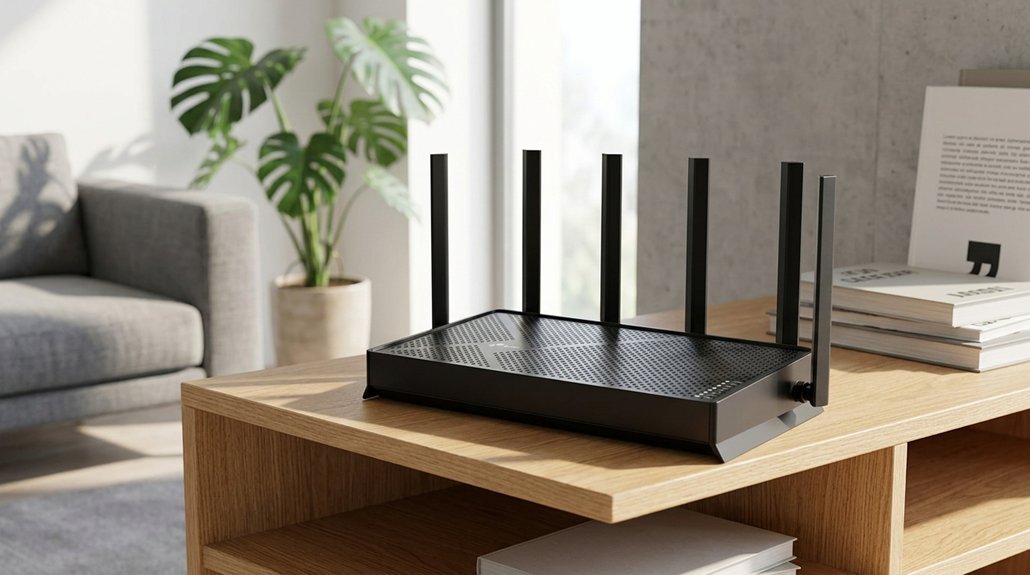
When picking out a WiFi router, a few key elements can make all the difference in how well your home network performs. Things like which Wi-Fi standard the router supports, its speed and bandwidth ratings, coverage area, how many devices it can handle at once, and what security features are built in should all be on your checklist.
And with so many options out there, knowing what each of these factors means will help you choose a router that matches your needs perfectly!
Wi-Fi Standard Support
Wi-Fi standard support sits right at the heart of choosing the right router, quietly shaping everything from streaming smoothness to device juggle-ability in a busy home. Today’s top routers feature support for newer standards like Wi-Fi 6, Wi-Fi 6E, and even Wi-Fi 7. These bring clever technologies into play: for example, OFDMA and MU-MIMO help multiple gadgets use the network at once without grumbling, while 4K-QAM and Multi-Link Operation further boost efficiency.
And if you have a house full of smart devices, choosing Wi-Fi 6E or Wi-Fi 7 means you’ll benefit from the clean, wide-open 6 GHz band. Still using an older device? Backward compatibility keeps you connected, but only newer gadgets enjoy the full perks. Match your router’s standard to your needs!
Speed and Bandwidth
After sorting out which Wi-Fi standard fits the household’s needs, attention naturally turns to speed and bandwidth, the real-world muscle behind smooth streaming, lag-free gaming, and juggling a crowd of connected gadgets.
When evaluating routers, check the maximum theoretical throughput and look for support for features like 4K-QAM and wider channels, which help push more data, faster. Pay attention to:
- Band breakdowns: 2.4 GHz for range, 5 GHz and 6 GHz for high speeds.
- Multi-band throughput: This is the total capacity the router can handle when lots of devices connect at once.
- MU-MIMO and OFDMA: These multi-user technologies efficiently split bandwidth between devices.
- Wired port speeds: If you pay for gigabit or faster internet, make sure your LAN/WAN ports keep up.
- Match router capacity to your internet plan and device count.
Coverage Area Size
In the quest for reliable home Wi-Fi, coverage area size is one of those factors that can make or break the whole experience. A router should be matched to your home’s usable square footage, but be aware: manufacturer coverage estimates often assume wide open spaces. Real homes have walls, floors, and all sorts of obstacles. For example, each solid wall, especially brick, concrete, or metal, can slash signal strength by 30 to 90 percent.
Larger homes, especially those over 2,000 square feet or spread over multiple stories, require a little extra planning:
- Consider mesh systems or extra access points for consistent coverage.
- Look for routers with multiple antennas and beamforming.
- Place routers centrally and high up, away from microwaves or cordless phones.
- Use wired backhaul whenever possible for distant nodes.
Device Capacity Limits
Plenty of households are surprised to discover just how quickly the number of connected devices can add up: think phones, laptops, streaming boxes, smart TVs, and a growing zoo of smart home gadgets. Device capacity is the max number of gadgets a router can handle at once without a meltdown.
Basic routers usually manage about 20 connections, but top-tier models can juggle 100 or more. Go over that limit and you’ll see sluggish speeds, lag, and random device drop-offs. Helpful technologies like MU-MIMO and OFDMA boost capacity by letting routers talk to several devices at the same time or more efficiently allocate bandwidth. For larger homes with dozens of devices, look for routers with higher device counts or consider mesh systems to spread the load.
Security Features Offered
Strong security features aren’t just a nice bonus on a WiFi router, they’re essential for keeping home networks safe from unwanted snooping and cyber threats. When picking a router, it’s smart to start with WPA3 encryption, which offers tougher protection than the older WPA2 standard and helps prevent easy password cracking. Look for built-in hardware firewalls and Stateful Packet Inspection (SPI); these tools help block unsolicited traffic and reduce common attacks.
VPN support on the router is a huge win, as it secures every device through encrypted tunnels—no need for separate VPN apps everywhere. Don’t overlook automatic firmware updates. Regular patches close security holes, so choose a vendor that delivers signed updates on a clear schedule. And for extra peace of mind, advanced controls like guest networks and parental controls help isolate risky devices.
Wired Port Options
A surprising number of people overlook wired port options when choosing a WiFi router, yet this detail can make or break your home network’s flexibility and speed. Checking the number and type of Ethernet ports is essential. For example, routers with 2.5 Gbps or even 10 Gbps LAN/WAN ports are perfect for those with ultra-fast internet plans, network-attached storage, or large file transfers. And having a dedicated WAN port versus a configurable WAN/LAN port matters when you need clear separation between your internet uplink and your local devices.
Look for:
- At least three to eight LAN ports for multiple wired devices
- Support for link aggregation, combining ports for higher throughput
- Extra multi-gig ports if you plan lots of wired connections
The right ports future-proof your setup!
Mesh System Compatibility
When planning a future-proof home network, mesh system compatibility is more important than ever, especially if you live in a multi-level house or find yourself regularly struggling with dead zones. The ideal router should support a widely adopted mesh standard like EasyMesh or a vendor-neutral Wi-Fi Alliance protocol. This helps different brands work together, so you can mix and match mesh nodes for seamless roaming throughout your home.
Look for routers that can act as a primary mesh controller, and check if mesh nodes offer wired Ethernet backhaul. This boosts speeds and avoids wireless congestion. Consider these factors:
- Maximum number of supported mesh nodes.
- Recommended square footage per node.
- Features like unified SSID, band steering, and low-latency handoff for smooth movement.
Coverage without confusion: that’s the goal!
Setup and Management
After sorting out mesh system compatibility, setup and management come to the forefront. No one wants a high-powered router that’s a headache to install or a mystery to configure. Choosing a router with both a mobile app and a web interface is a lifesaver. Apps walk you through guided installation, let you update firmware with a tap, and help troubleshoot basic issues without the manual.
For ongoing security, routers that support automatic or easy manual firmware updates keep things patched and running smoothly.
Look for these key features in the management interface:
- Local and cloud management, so you can tweak settings remotely or at home
- Guest networks and parental controls built-in
- Support for advanced options like VPN, QoS, and multiple SSIDs running at once.
Frequently Asked Questions
Can Wifi Routers Be Used With Fiber Optic Internet Connections?
Nearly 43 percent of U.S. households now have fiber optic internet, signaling a major shift in speed expectations! WiFi routers can absolutely be used with fiber connections. Here’s how it works:
- The fiber optic cable connects to an Optical Network Terminal (ONT).
- An Ethernet cable runs from the ONT to your router’s WAN port.
- The router then broadcasts WiFi throughout your home.
Just make sure your router supports gigabit speeds for peak performance!
How Often Should I Update My Router’s Firmware?
Updating your router’s firmware is a smart move every three to six months, or whenever new updates become available. Firmware keeps things running smoothly, patching security holes and sometimes even improving speed.
Here’s a quick list to help:
1) Check your manufacturer’s website regularly.
2) Enable auto-updates if possible.
3) Set a reminder on your phone.
It’s quick, usually just a few clicks, and can save you headaches down the road!
Do Wifi Routers Emit Harmful Radiation?
Picture the gentle glow of a lighthouse: WiFi routers emit low-level electromagnetic waves, known as radiofrequency (RF) energy. These signals power your devices, but rest easy: current scientific consensus finds everyday exposure to this “invisible light” safe. Here’s what matters:
- Routers emit non-ionizing radiation, unlike X-rays.
- Keep routers a few feet away from resting spots for extra peace of mind.
- Regulatory agencies set strict safety limits.
No need to worry!
Can I Use My Wifi Router With a VPN?
Absolutely, a WiFi router can work with a VPN! There are two main ways to do this:
- Install VPN software directly on the router, which protects every device on the network automatically.
- Use a VPN app on individual devices for more selective coverage.
Setting up a VPN on the router usually involves logging into the router’s admin panel, entering VPN credentials, and following a few configuration steps. Some routers make this process easier than others!
What Is the Typical Lifespan of a Wifi Router?
A typical WiFi router usually lasts about 3 to 5 years before performance noticeably declines or newer standards outpace its capabilities. Here’s what happens:
- Hardware components wear out, just like any other electronics.
- Firmware updates become scarce, leaving security holes.
- Newer devices might not connect as smoothly.
And if you notice frequent disconnects, overheating, or sluggish speeds, it’s probably time for an upgrade. Your streaming and Zoom calls will thank you!